Before the Truck Arrives: Preparing Your Ubatuba SP Property for Drain Service
The ten minutes you spend preparing before the truck pulls up can easily save an hour of job time, and often a chunk of the bill. When you book a desentupidora Ubatuba, the crew’s clock starts the moment they arrive, so anything you clear, open, or explain in advance is time they spend working instead of waiting. This briefing is organized by who does what: the person who booked the service, the person who knows the building, and the person who will actually be on site when the team knocks.
What the person who booked the service should have ready
Start with the phone call itself. Confirm the full address, including any block, house number, or condominium name, and ask whether the team needs a gate code or a name at the entrance. In Ubatuba SP, many streets near the shore have narrow access and seasonal traffic, so mention if the property sits on a slope, behind a shared driveway, or on a road that floods after heavy rain.
Have a short description of the problem in plain words: which drain backs up, when it started, whether it happens after using the shower, the toilet, or the washing machine, and whether there is a smell or standing water. If you have already tried a plunger, a hand auger, or a chemical product, say so. Chemicals poured before the crew arrives can change how the blockage is handled, so it is better to admit the attempt than to hide it.
Keep the service contact and the booking reference close at hand. If the job was arranged through a company that covers the region, such as a desentupidora Ubatuba SP, the dispatcher can confirm the arrival window and the equipment assigned to your call. That single check avoids the classic mix-up of two trucks sent to two similar addresses.
What the person who knows the building should map out
Every property has someone who knows where the pipes run, and that person should be available, either in person or by phone. Ask them to point out the cleanout, the inspection box, and the septic tank lid if there is one. A cleanout that is buried under a planter or hidden behind a stack of boxes is the most common reason a job starts late.
The building map matters more than people expect. In houses, the cleanout is often near the street wall or at the lowest point of the lot. In apartment buildings, the relevant point may be in the garage, the service corridor, or a shaft behind a locked door. Know which key opens which door before the crew asks, because a missing key turns a fifteen-minute access step into a delay.
Items to locate and unlock
- The main cleanout cap, plus any secondary cleanouts in the yard or garage.
- The septic tank lid and the inspection box, if the property is not connected to the public network.
- Any floor drain, gully, or grease trap that has been covered by furniture, mats, or stored goods.
- Electrical outlets near the work area, in case equipment needs power.
- Water shut-off valves, if the crew may need to isolate a line.
If the property is a rental or a holiday home, ask the owner or manager to confirm these locations in writing. A quick message with photos of the cleanout and the entrance saves a lot of guessing.
What the on-site person should do in the final ten minutes
The person who stays on site is the crew’s main source of answers, so they should be someone who can make small decisions without calling the owner every five minutes. They should also be the one to move cars, open gates, and keep children and pets away from the work area.
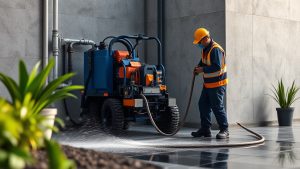
In the last ten minutes, clear a path from the street to the cleanout. Move bicycles, bins, plant pots, and laundry racks. If the work area is a bathroom or kitchen, remove floor mats and store loose items. Have a bucket, old towels, and a trash bag ready, since some splash and debris is normal during rodding and jetting.
Write down the key facts on a single sheet: the address, the contact name, the problem description, and what has already been tried. Hand it to the technician. This is also the moment to ask for a quick explanation of what will be done and how long it should take, so expectations are set before the equipment is unloaded.
If the property is in a commercial building, arrange for a staff member to be present and for the affected area to be closed off. A desentupidora em Ubatuba SP working in a busy shop or restaurant needs space, and customers should not be walking through a wet work zone.
Access, parking, and the details that decide the final price
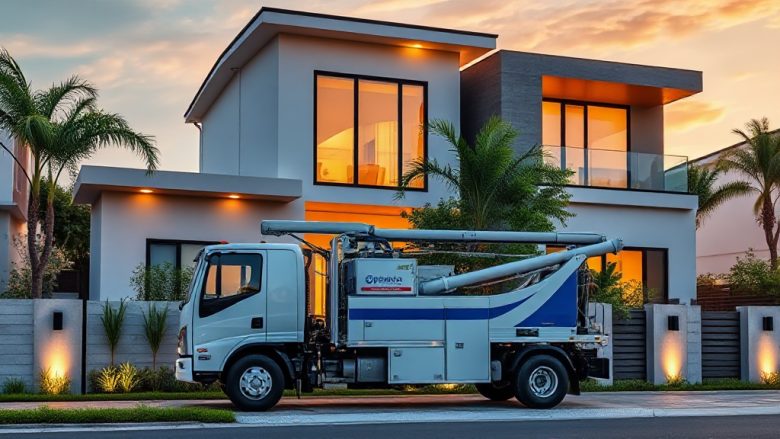
Access is the quiet cost driver. A truck with a high-pressure jetting hose needs to park reasonably close to the cleanout, and in dense parts of Ubatuba SP that can be the hardest part of the job. Check whether the street allows parking, whether the driveway can be kept free, and whether a neighbor’s gate or a shared alley is the only route to the yard.
Tell the dispatcher in advance if the property is on a hill, if the road is unpaved, or if the truck cannot enter a condominium courtyard. In those cases the crew may need a longer hose run, which takes more time and sometimes more than one technician. Knowing this before arrival lets the company send the right vehicle rather than calling for a second one.
| Preparation item | Who handles it | Why it matters |
|---|---|---|
| Confirm address, gate code, and arrival window | Person who booked | Prevents wrong-location delays |
| Locate and unlock cleanout, tank lid, and drains | Person who knows the building | Cuts the biggest source of waiting |
| Clear the path and keep parking free | On-site person | Lets the crew start immediately |
| Write down problem history and prior attempts | On-site person | Guides the right method and avoids chemical surprises |
Finally, keep the work area dry and ventilated after the team leaves, and ask what to watch for in the next few days. A drain that was blocked for weeks may need a follow-up check, and a short note of the service date and the method used will help if the problem returns. Good preparation does not just speed up the visit; it gives the technician a clearer picture, which usually means a more accurate job and a fairer final bill.